For many individuals caught in the cycle of opioid abuse, the transition from heroin or other opioids to fentanyl can mark a dangerous turn. Fentanyl is far more potent than most opioids commonly abused, and that potency intensifies the withdrawal, the risks, and the urgency for safe, effective care. If you’re considering heroin addiction treatment or a rehab program in Sacramento, understanding what the withdrawal and detox processes look like is a vital first step in recovery.
You or a loved one may have felt trapped as the physical dependence grows, every dose seems risky, and quitting alone feels impossible. But there is hope, and there is structure, compassion, and medically supported care that can make all the difference. Monarch Recovery Centers offers clinically supervised detox, followed by step-down care like an intensive outpatient program (IOP) or outpatient rehab in Sacramento to help you rebuild safely and effectively.
If you’ve been interested in learning more about how fentanyl withdrawal can differ from opioid withdrawal, why going through it alone is dangerous, and how medically supervised detox sets the stage for long-term recovery, we’re happy to help. Keep reading to discover more about this topic and why seeking the right pathway is not a sign of failure, but rather a first move on the journey towards true healing.
Quick Answer Summary
Medical detox helps ease fentanyl withdrawal by providing professional monitoring, symptom management, and clinical support during one of the most physically and emotionally challenging stages of recovery. Because fentanyl is extremely potent, withdrawal symptoms can include intense cravings, anxiety, insomnia, nausea, muscle pain, and severe discomfort that often lead people to relapse when attempting to quit on their own. A medically supervised detox program can help manage these symptoms safely, reduce complications, and create a stable foundation for ongoing treatment through therapy, outpatient care, and long-term relapse prevention support.
Key Takeaways
- Fentanyl withdrawal is more intense and unpredictable than most opioids due to its potency and tissue absorption¹
- Attempting detox alone can be dangerous, increasing relapse and overdose risk.
- Medical detox provides 24/7 monitoring, comfort medications, and emotional support for a safer transition.
- Stabilization and therapy after detox address the mental, emotional, and behavioral roots of addiction.
- Monarch Recovery offers a full continuum of care — detox, IOP, and sober living — to ensure lasting recovery and relapse prevention.
What Fentanyl Withdrawal Feels Like and Why It’s More Intense
Fentanyl is estimated to be up to 50 to 100 times more potent than morphine and many times stronger than heroin. That potency means that when dependence sets in, withdrawal can be especially acute and complex.
Typical opioid withdrawal symptoms include muscle aches, diarrhea, nausea, yawning, sweating, and restlessness. When fentanyl is involved, there are several factors that can make things much harder.
For instance, its high potency and lipophilicity (how easily it moves into fat and nerve tissue) can lead to deeper receptor involvement and more intense physiological reliance. In addition, some studies have shown that withdrawal may begin within a shorter timeframe after the last use, and may linger or shift into extended symptoms over weeks. Finally, because fentanyl is often mixed with other opioids or substances, the withdrawal process can be unpredictable and more likely to require medical oversight.
What you might feel in a withdrawal scenario includes intense cravings, anxiety, insomnia, muscle and bone pain, fever, vomiting or diarrhea, goosebumps, sweating, and overwhelming fatigue. Without proper support, people often relapse just to escape the withdrawal, which is why a medically supervised detox matters.
The Risks of Going It Alone and Why Medical Detox Matters
Trying to quit fentanyl on your own, or in an unsupported environment, is risky for several key reasons. First, the physical stress on the body during withdrawal can be high: severe tachycardia (fast heart rate), high blood pressure, dehydration or electrolyte imbalance, and even potential for cardiovascular complications in vulnerable individuals. While opioid withdrawal is not typically medically fatal, the way alcohol or benzodiazepine withdrawal can be, the risk of relapse and overdose remains very real, especially after detox when tolerance is lowered.
Second, the timing and dosing of fentanyl make standard withdrawal protocols less reliable. One recent review notes how fentanyl’s potency and changing supply (illicit fentanyl) make management of withdrawal harder and require a flexible, specialized protocol.
The mental and emotional toll is tremendous: insomnia, panic, depression, and intense craving all combine to make relapse highly likely. Without structured support, the chance of returning to use skyrockets.
In contrast, medical detox offers: 24/7 monitoring, comfort medications or MAT (medication-assisted treatment) protocols, hydration and nutritional support, mental health assessment, and a safe environment to stabilize before beginning deeper therapy. For many people, that care makes the difference between a spiral and a successful next step towards recovery.
From Detox to Stabilization: The Path Forward
Once physical withdrawal is managed, the next phase of recovery is stabilization, where therapy, support, and structure start to take over. At Monarch Recovery Centers, this translates into a continuum of care: after detox comes treatment within a drug treatment center, step-down into outpatient rehab in Sacramento, or participation in an intensive outpatient program (IOP).
During stabilization, you might engage in individual therapies to explore the emotional triggers, life stressors, trauma or mental health conditions that may have driven or affected use. Additionally, group therapy may be another option to build connection and peer accountability, giving you the chance to feel heard and reduce shame and secrecy. Some individuals will also go through dual-diagnosis management if they are dealing with other mental health conditions such as depression, anxiety, or PTSD. Finally, many stabilization phases include life-skills work, such as identifying relapse triggers, working on social integration, prepping for job readiness, and dealing with relationship repair.
Stabilization often lasts several weeks or months, depending on how long you used, how intense your use was, and whether other substances or mental health issues are present. Recovery from fentanyl and opioid dependence is not simply ‘get through withdrawal and you’re done,’ but rather it’s a layered process. Choosing a program in Sacramento that offers all levels, from detox to outpatient to IOP, ensures continuity. That’s exactly what Monarch aims to provide.
Deepening Treatment, Preventing Relapse and Building a New Life
As you move deeper into recovery, the focus shifts from managing withdrawal to building a sustainable, substance-free life. With fentanyl and opioid addiction, relapse prevention is paramount because of the high potency and risk of overdose if tolerance drops.
Key elements of this phase include:
- Ongoing Therapy (CBT, DBT, Trauma-Informed Care) – To work through behaviors, triggers, internal narratives, and coping strategies.
- Use of Medication Assisted Treatment (MAT) – When appropriate, such as buprenorphine, methadone, or naltrexone, particularly since transitioning off fentanyl may require careful medical management.
- Participation in Additional Programs – Such as an intensive outpatient rehab program or outpatient rehab Sacramento to maintain structure while reintegrating into everyday life.
- Relapse Prevention Planning – Recognizing high-risk situations, having an action plan, and building a supportive network.
- Supportive Living Arrangements – Such as sober living for those needing additional stability and accountability.
The goal isn’t just abstinence, but transformation with new habits, healthier relationships, repaired trust, personal stability, and ongoing hope.
What Monarch’s Approach Offers You
When you’re seeking help, the right environment matters. Monarch Recovery Centers emphasizes clinical and compassionate, personalized care.
Our program offers medically supervised fentanyl addiction treatment in a safe, comfortable setting as well as a continuum of care, from therapy to detox to outpatient program Sacramento or outpatient rehab Sacramento. We also provide a dual diagnosis focus, supporting mental health alongside substance abuse, and a small client-to-staff ratio for individualized attention and meaningful relationships with clinicians and peers. Finally, our program offers relapse prevention focus, long-term aftercare, and an alumni network built for ongoing recovery.
When you choose Monarch, you’re choosing a path that meets you where you are, and walks with you where you want to and need to go.
From Withdrawal to Renewal: Hope Begins with the Right Support
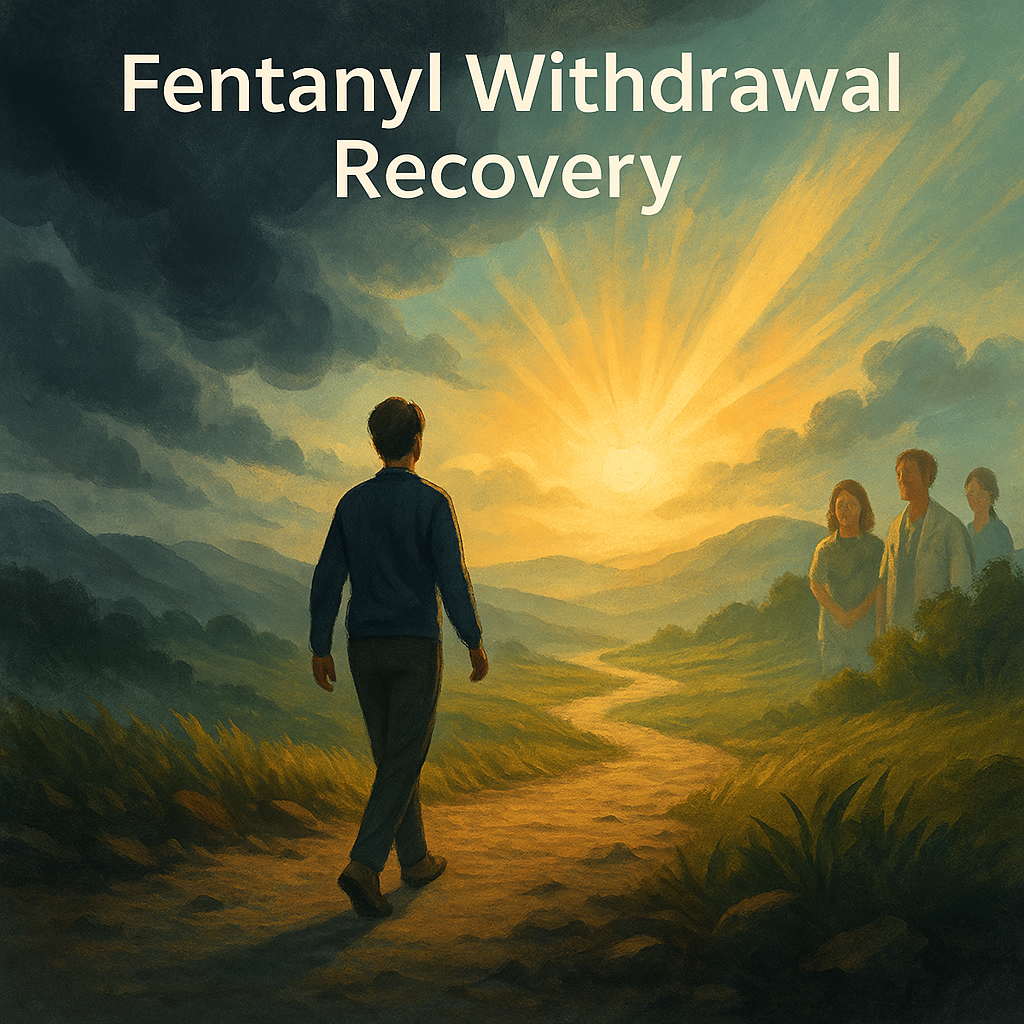
Recovery from fentanyl isn’t simple, but it’s absolutely possible. It takes the right structure, care and team behind you to get you moving in the right direction and keep you there. If you’re facing the fear of withdrawal, or you’re ready to start building a life beyond opioids, you don’t have to go at it solo. The journey from detox, through stabilization, treatment, and rebuilding is real, and in Sacramento, Monarch Recovery Centers stands ready to help.
If you or someone that you love is searching for a drug treatment center to support heroin or fentanyl addiction, or looking into an intensive outpatient program substance abuse, get in touch with us today for a confidential assessment. Your recovery doesn’t wait for the perfect timing, but rather it begins when you reach out for help.