Completing treatment is a powerful milestone, but it’s not the finish line. For many people in early recovery, the most vulnerable moment comes after treatment ends, when life resumes its usual pace and pressures. Returning immediately to high-stress environments, such as demanding jobs, complicated family dynamics, social pressure or unresolved emotional triggers, can overwhelm even the strongest of recovery intentions. This doesn’t mean that treatment didn’t work. Rather, it means that recovery needs time, structure and support to solidify.
Addiction often develops in response to stress. Substances can become a way to cope, numb or escape when life feels unmanageable. Early recovery asks individuals to face those same stressors without the coping mechanism they once relied on. That’s a profound neurological and emotional adjustment. When stress levels spike before new coping skills are fully integrated, relapse risk can rise.
This is why sober living is not a step backwards or a sign of failure. It’s a strategic, protective choice. Sober living provides a structured transition period where individuals can strengthen coping skills, regulate emotions and rebuild confidence before fully re-entering high-pressure environments. Instead of being thrown back into the deep end, residents are given time to practice living sober in a supportive setting.
At Monarch, our recovery homes are intentionally designed to serve as a bridge between treatment and independent living. They offer stability without isolation, accountability without rigidity and support without dependency. For many people, this is what makes long-term recovery possible. If you’re interested in learning more about why sober living is a critical step before returning to high-stress environments, we’re happy to help. Keep reading to discover everything that you need to know and how Monarch can help support you or a loved one through this tricky transition.
Quick Answer Summary
Sober living provides a structured, supportive transition between addiction treatment and fully independent living, helping individuals strengthen recovery skills before returning to high-stress environments. Early recovery can make people more vulnerable to stress, emotional triggers and relapse, especially when facing demanding jobs, family conflict or social pressure. Recovery homes offer stability, accountability and peer support while residents gradually rebuild confidence, practice healthy coping strategies and adjust to everyday responsibilities in a safe, substance-free environment. For many individuals, sober living significantly improves long-term recovery outcomes by reducing relapse risk during this critical transition period.
Key Takeaways
- Completing treatment is not the end of recovery — the most vulnerable period often occurs when individuals return to high-stress environments too quickly.
- Early recovery involves neurological and emotional adjustment, which can make high-pressure situations feel overwhelming before new coping skills are fully stabilized.
- Sober living is not a setback — it is a proactive, protective transition that allows individuals to strengthen skills, regulate stress, and rebuild confidence.
- High-stress settings such as intense work environments, complex family dynamics, or social exposure to substances can increase relapse risk when support is removed too soon.
- Recovery housing lowers the overall stress load, providing structure, predictable routines, accountability, and a supportive peer environment.
- Sober living allows residents to practice real-world coping skills while still having a stable and recovery-focused home base.
- Confidence and self-trust grow gradually through small, meaningful successes rather than being forced prematurely.
- Research shows that participation in recovery housing after treatment is associated with improved outcomes and stronger long-term sobriety.
- Monarch’s sober living homes emphasize stability, dignity, independence, and integration with outpatient treatment for continuous support.
- Sober living is a smart, proactive investment in long-term recovery — not a delay in progress, but a foundation for sustainable independence.
Why High-Stress Environments Increase Risk of Relapse
Stress affects the brain in powerful ways, especially during early recovery. Substance use alters the brain’s stress-response system, making it more reactive and less flexible. When substances are removed, the nervous system can become hypersensitive to pressure, conflict or emotional discomfort.
High-stress environments amplify this vulnerability. A demanding workplace may trigger anxiety, perfectionism or burnout. Family dynamics can resurface old wounds, expectations or unresolved conflicts. Social environments may involve exposure to alcohol or drugs, even unintentionally. Each of these situations places strain on emotional regulation and decision-making.
When stress outpaces coping skills, the brain seeks relief. Without adequate support, old patterns can feel deceptively comforting, even when someone is deeply committed to sobriety. This is not a lack of motivation, but rather a predictable neurobiological response.
Sober living helps reduce this risk by lowering the overall stress load. Residents are not required to manage every challenge at once. Instead, they are supported in addressing stress gradually, with guidance and accountability in place.
How Sober Living Creates a Protective Transition Period
The value of sober living lies in its ability to slow things down at the right moment. Rather than rushing back into every responsibility at once, individuals can reintroduce stressors in manageable ways.
Structure plays a key role. Predictable routines help regulate the nervous system, reducing anxiety and emotional volatility. Daily schedules, house expectations and accountability systems create stability during a time when internal balance is still developing. This structure allows residents to focus on recovery without constant decision fatigue.
Equally important is the supportive environment. In recovery houses, individuals are surrounded by others who understand the challenges of early sobriety. This shared experience reduces isolation and normalizes the ups and downs of recovery. When stress arises, residents are encouraged to talk about it rather than internalize it.
Sober living also provides space to practice coping skills in real-world situations. Residents may return to work, attend outpatient treatment or rebuild family relationships while having a stable home base. Challenges that arise can be processed in real time, with support close at hand. This transition period isn’t about avoidance – it’s about preparation.
Rebuilding Confidence Before Full Independence
Addiction often erodes self-trust. Many individuals leave treatment unsure of their ability to handle stress, make decisions or maintain boundaries without substances. Returning immediately to high-pressure environments can reinforce this doubt if challenges feel unmanageable.
Sober living helps rebuild confidence gradually. Residents experience small, meaningful successes, such as managing a stressful day at work, navigating a difficult conversation or coping with cravings without acting on them. Each success reinforces the belief that sobriety is sustainable.
This confidence is critical for long-term recovery. When individuals feel capable rather than overwhelmed, they are more likely to continue engaging in healthy behaviors. Sober living allows confidence to develop through lived experience, not just intention.
Monarch’s recovery homes support this process by encouraging independence while maintaining accountability. Residents are not micromanaged, but they are not left unsupported either. This balance helps individuals prepare for the realities of independent living with greater resilience.
Why Sober Living is a Proactive Choice, Not a Setback
One of the most damaging myths in recovery is that moving into sober living means someone isn’t ‘ready’ for real life. In reality, choosing sober living is often a sign of insight and commitment. It reflects an understanding that recovery is a process, not an event.
Just like athletes don’t return to competition after injury without rehabilitation, individuals in recovery benefit from a structured transition period. Sober living provides that space, a place to strengthen skills, reinforce habits and build emotional endurance before facing high-stress environments alone.
Research consistently shows that individuals who participate in recovery housing after treatment experience lower relapse rates and improved psychosocial outcomes. The added layers of support does not delay independence, but rather supports it.
At Monarch, sober living is framed as an investment in long-term recovery. Residents are encouraged to view this phase as preparation for the life that they want to build, not a pause on progress.
How Monarch’s Recovery Homes Support Long-Term Success
Monarch’s recovery houses are designed to support individuals navigating the transition from treatment to independence. The environment emphasizes stability, dignity and personal growth. Residents benefit from structure that supports sobriety, while also being encouraged to fully engage in work, treatment and community life.
Many residents participate in Sacramento addiction treatment through Monarch’s outpatient programs while living in sober housing. This integration allows clinical care and daily living to reinforce one another. Transportation support, peer connection and access to ongoing therapy reduce barriers that often disrupt recovery.
Most importantly, Monarch’s sober living homes are intentionally calm, supportive spaces. They are places where residents can decompress after high-stress days, process emotions safely and return to routines that support healing.
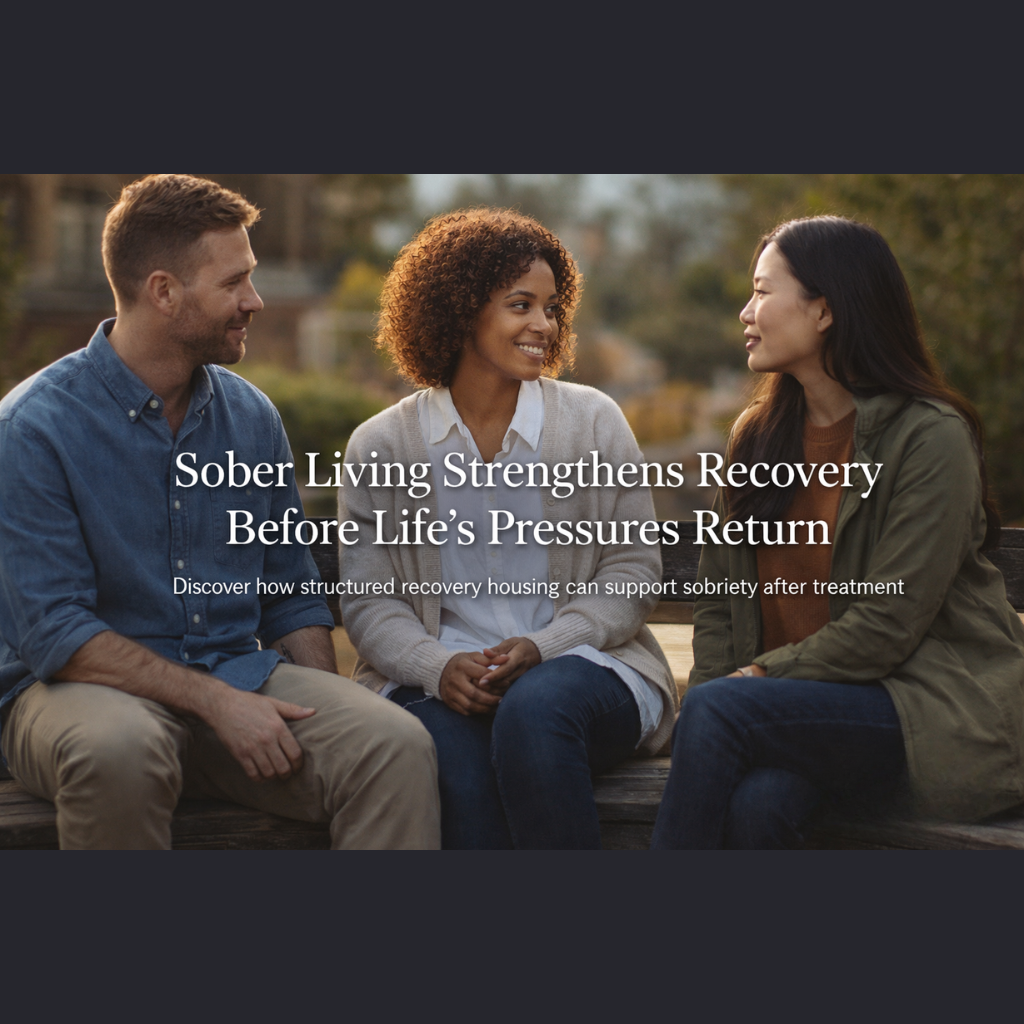
Sober Living Strengthens Recovery Before Life’s Pressures Return
Returning to high-stress environments too quickly can place unnecessary strain on early recovery. This doesn’t mean that individuals should avoid responsibility, but rather that they deserve the support needed to handle it successfully.
Sober living offers that support. By providing structure, community and stability, recovery homes allow individuals to build coping skills and confidence before fully re-entering demanding environments. This transition period reduces relapse risk and strengthens long-term recovery.
Monarch’s sober living homes are designed to serve as that bridge, a place where recovery is protected, progress is reinforced and independence is built intentionally. For individuals seeking a safer, smarter step forward after treatment, sober living is not a delay. It’s a powerful foundation for what comes next. Ready to take that step? Reach out to us today.
Citations
- https://www.samhsa.gov/recovery